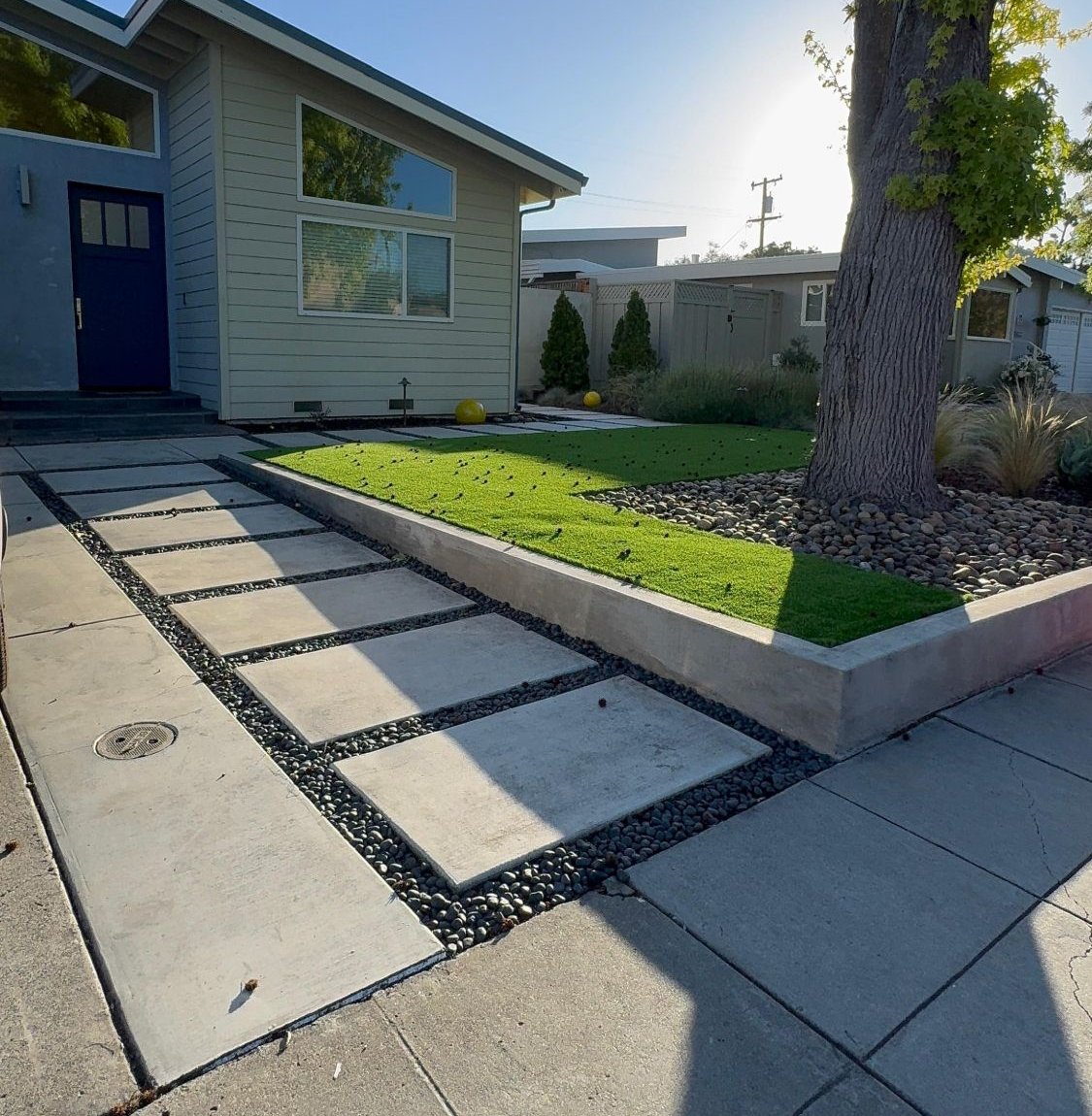

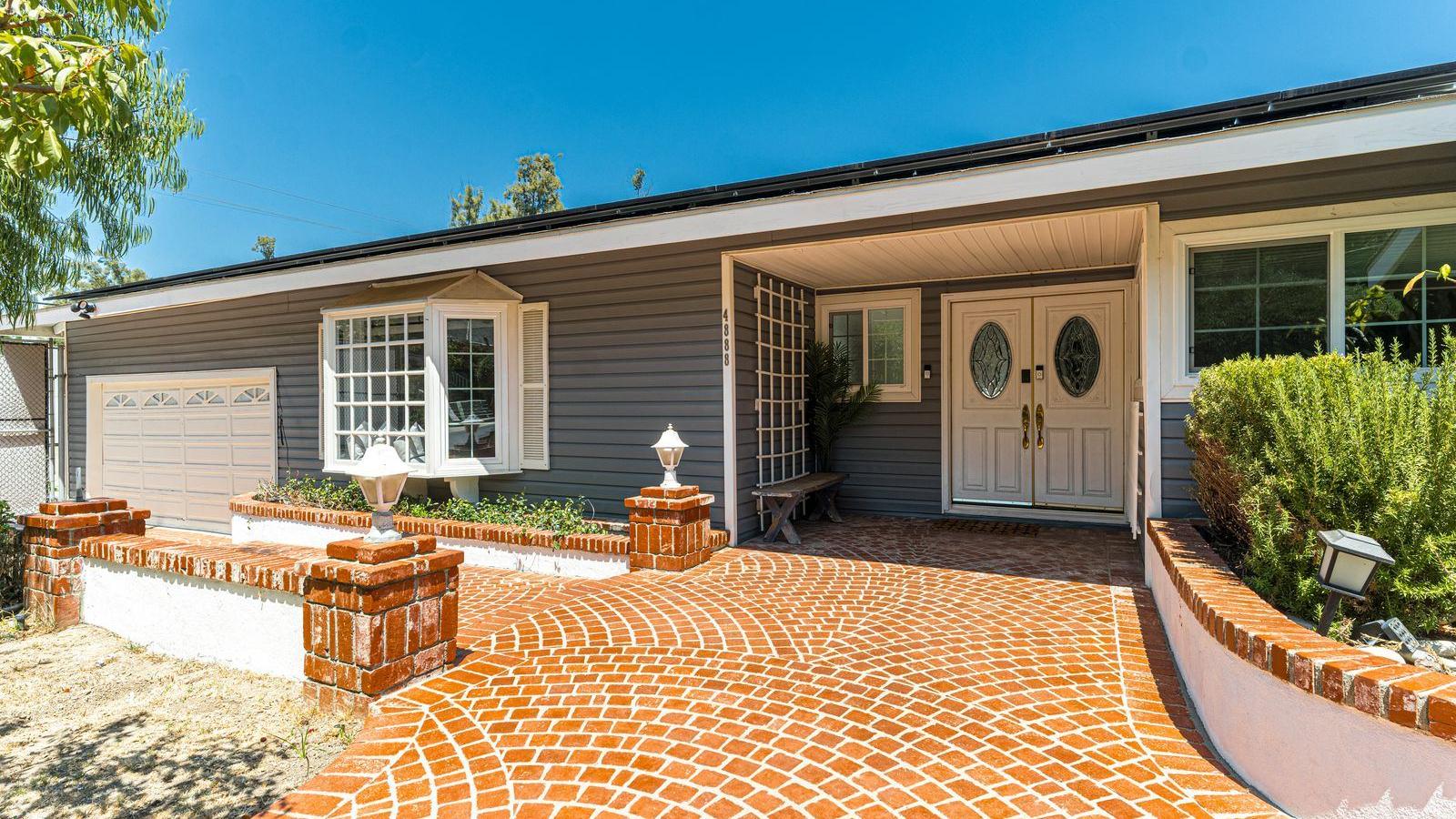
Pavers have become the go-to choice for driveways, patios, and walkways across the Bay Area, and for good reason. Unlike a single poured concrete slab, interlocking pavers flex slightly with the ground, resist cracking during minor seismic shifts, and can be repaired one section at a time instead of replacing an entire surface. Here's how to think through the decision before you commit to a material.
Concrete pavers vs. natural stone
Most of our projects use manufactured concrete pavers from brands like Belgard, Techo-Bloc, and Keystone. They're manufactured to tight tolerances, come in a wide range of colors and textures (including finishes that mimic natural stone), and cost significantly less than quarried stone like flagstone or travertine. Natural stone has its place — it's the right call when a client wants a one-of-a-kind, irregular look — but for most driveways and patios, a quality concrete paver system gives you much of the same look for considerably less, with more consistent long-term performance.
What actually matters for your project
- Traffic load — a driveway needs a deeper excavation and a thicker compacted base than a patio or walkway.
- Drainage — permeable paver systems let water filter through the joints into the base instead of running off, which helps on properties with poor drainage or local stormwater requirements.
- Color and pattern — lighter colors stay cooler underfoot in direct sun; herringbone patterns interlock more securely under vehicle weight than a simple running bond.
- Retaining walls — if your yard has a slope, a matching Keystone or Belgard wall system ties the whole hardscape together instead of looking like an afterthought.
Why installation matters as much as the material
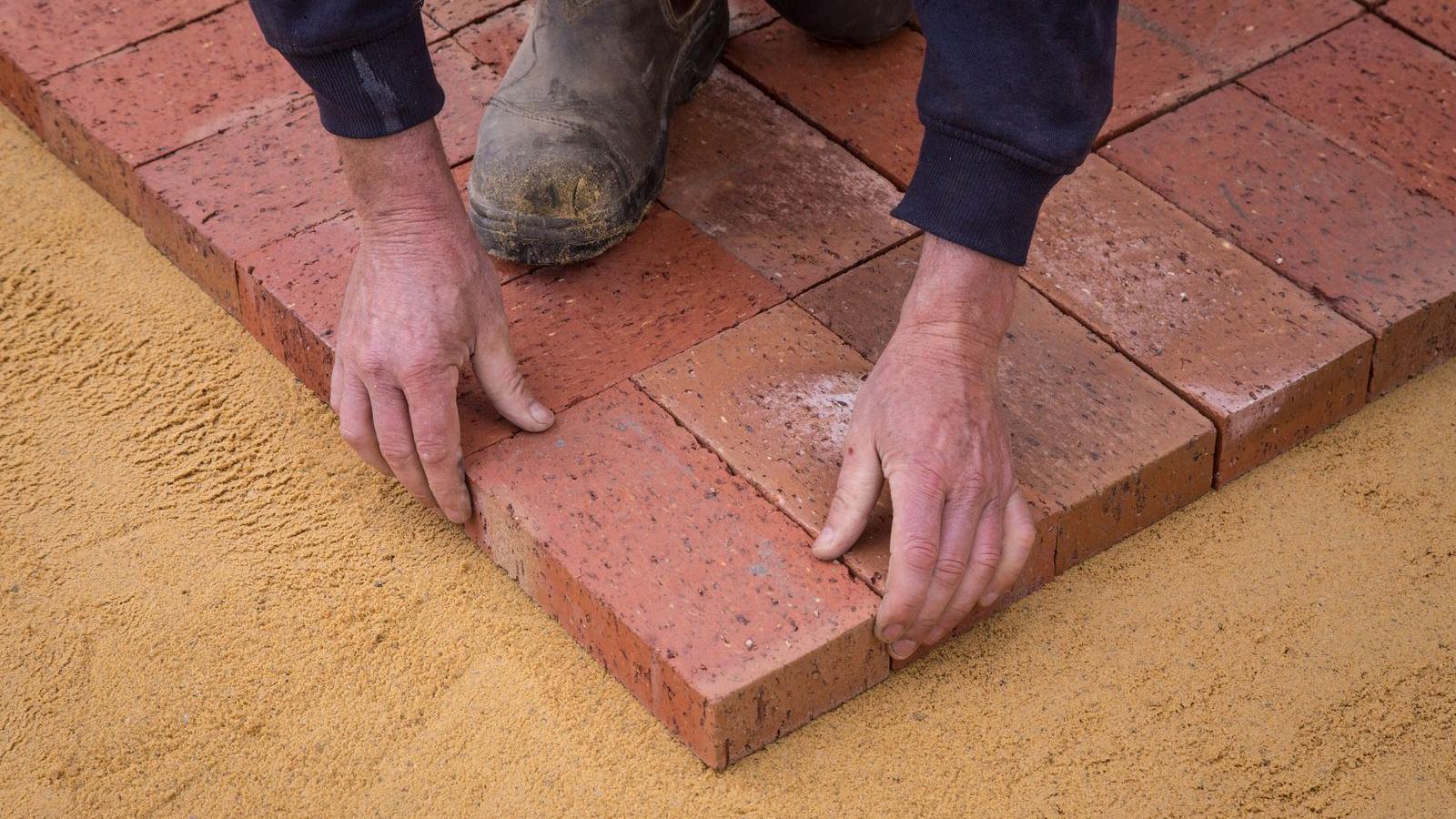
The paver itself is only part of the story. We install every project following ICPI (Interlocking Concrete Pavement Institute) guidelines: a properly compacted aggregate base, a thin bedding layer of coarse sand, pavers placed tight to pattern, a rigid edge restraint to keep the whole field from shifting outward over time, and joint sand swept in and compacted at the end. Skipping any one of these steps is the most common reason a paver patio starts to look uneven or develop weeds within a couple of years — it's rarely the paver's fault. We walk through all ten steps in our guide to how pavers are installed.
If you're planning a paver project anywhere in San Jose, Campbell, Los Gatos, Morgan Hill, or the surrounding Bay Area, we're happy to walk your property and talk through material options before you decide.