
Wood & Metal Fence Installation in the Bay Area
A fence does three jobs at once: it marks your property line, keeps people and pets where you want them, and frames your home from the street. We install wood and metal fences and gates for homes across the Bay Area, from a low picket fence at the front of the house to a tall privacy screen around the backyard.
Fences rarely fail at the boards. They fail at the posts. Footing depth, post spacing and alignment decide whether a fence is still straight ten years from now, so that is where we start the conversation.
Licensed, bonded and insured · CSLB #1138921 · Serving the Bay Area
Campbell, California 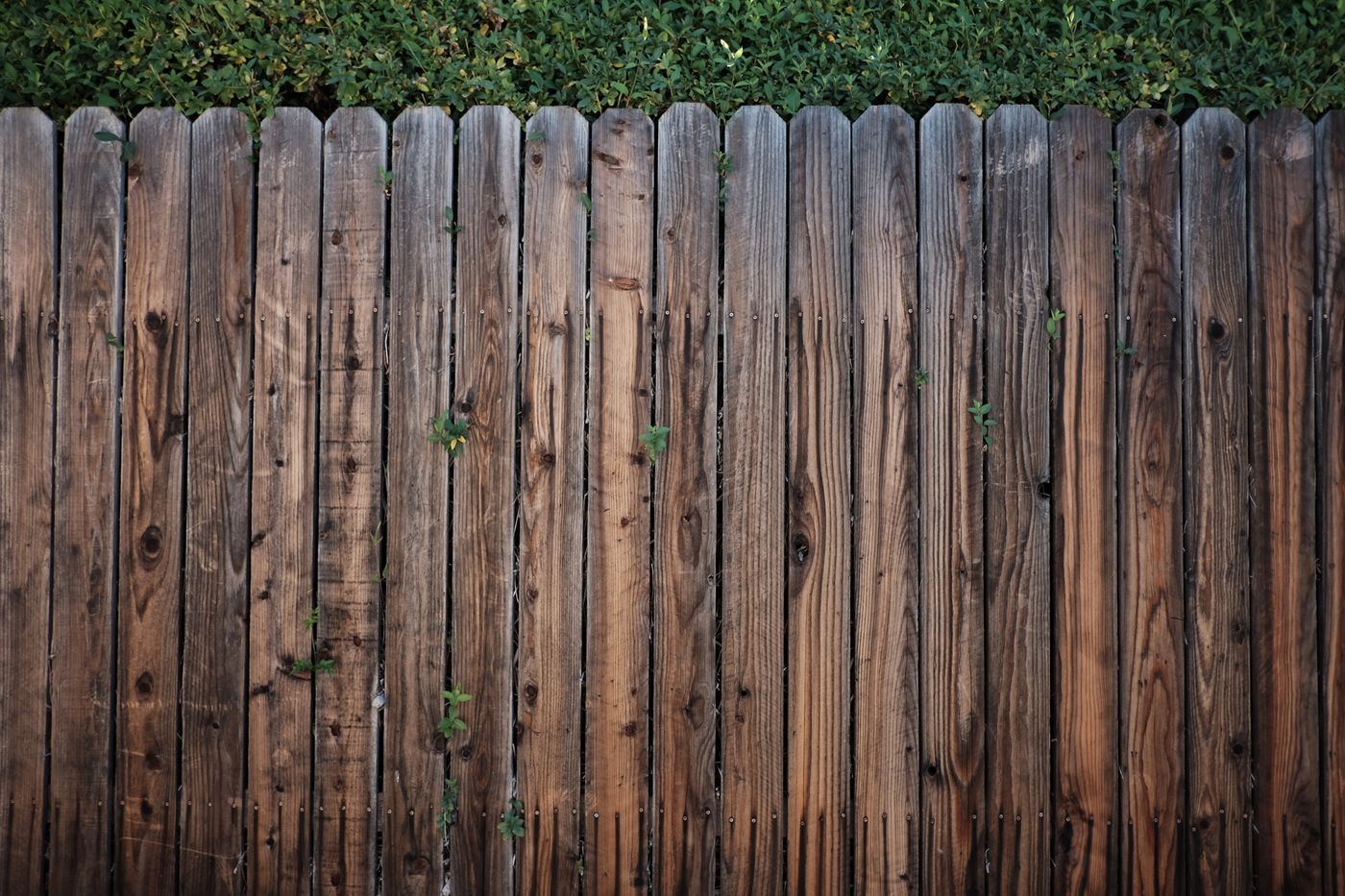
Illustrative photo · Snapwire / Pexels 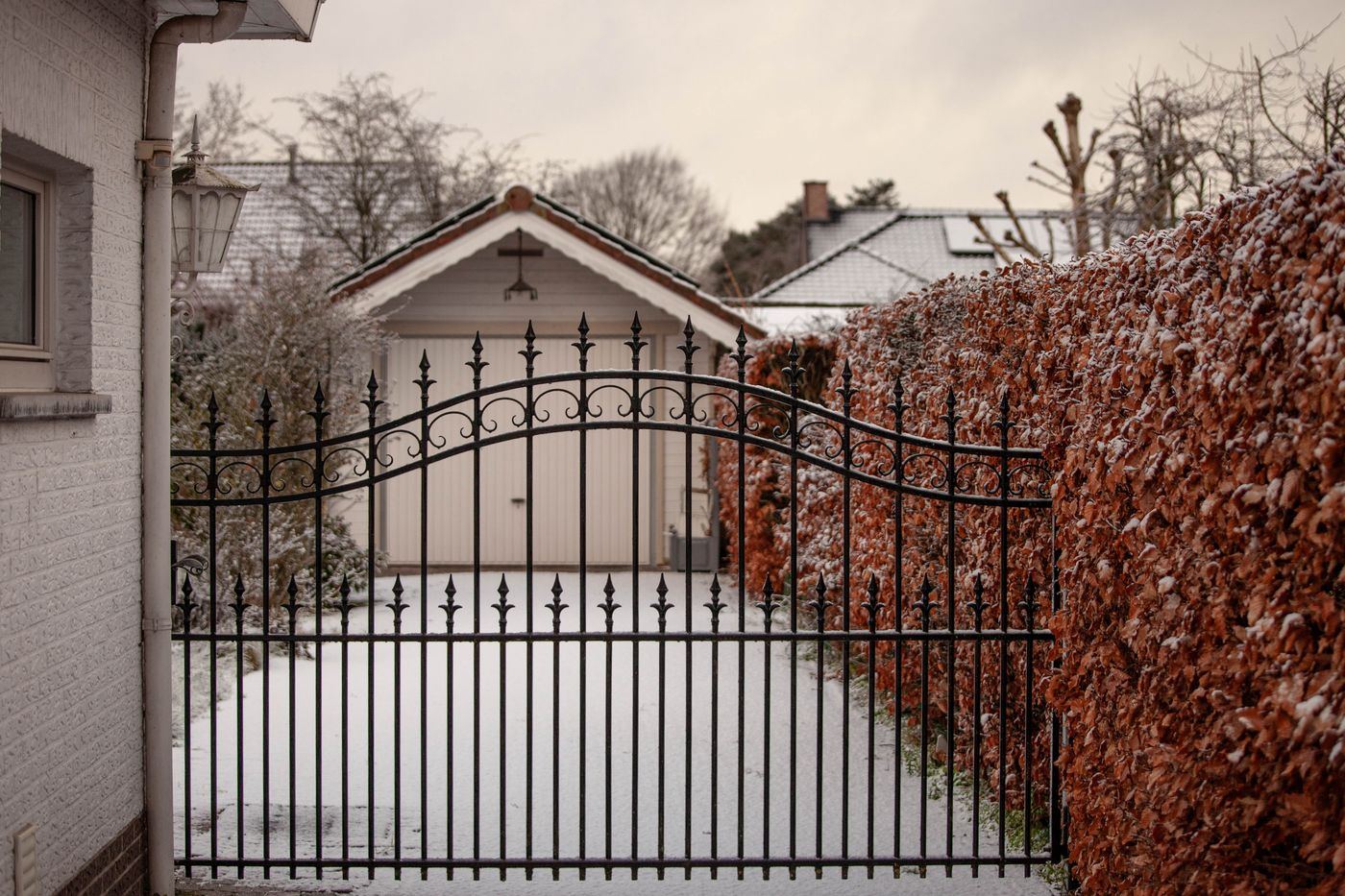
Illustrative photo · Teja J / Pexels
Wood or metal: which fits your yard?
Wood is the warm, private choice. Solid panels, horizontal slats and classic pickets all work in wood, and the material blends easily with planting and with a paver patio. The trade-off is upkeep: wood needs a fresh coat of stain or sealer every few years to stay in good shape.
Metal is the slim, durable choice. It is strong, it keeps views open and it asks for very little maintenance when the finish is done properly. It is a natural fit around pools, along a view, or anywhere you want security without a solid wall.
Many yards use both: a metal gate or front fence for the entry and wood panels for privacy along the sides and back. We will help you decide at the estimate.
The details that keep a fence straight
- Posts set in properly sized footings, spaced evenly so the panels stay flat.
- A plan for slopes: either stepped sections that drop at each post, or a fence that follows the grade, depending on the look you want.
- Gates that swing freely, with hardware sized for the weight of the gate.
- Clearance at the bottom for drainage and for lawn or turf edges.
- A finish suited to our sun and dry summers, so the color lasts.
Before you build
Confirm where the property line really is; an old survey or a fence that has been there for years is not always proof. In California, a fence on the boundary is generally a shared responsibility with the neighbor, so a conversation before the work starts, and sometimes written notice, saves trouble later.
Cities and homeowners associations also set height limits and style rules. Front-yard fences are usually held to a lower height than backyard fences, and some fences need a permit. Check with your city, and we will talk through what is likely to apply to your property when we visit.
Fences that work with the rest of the yard
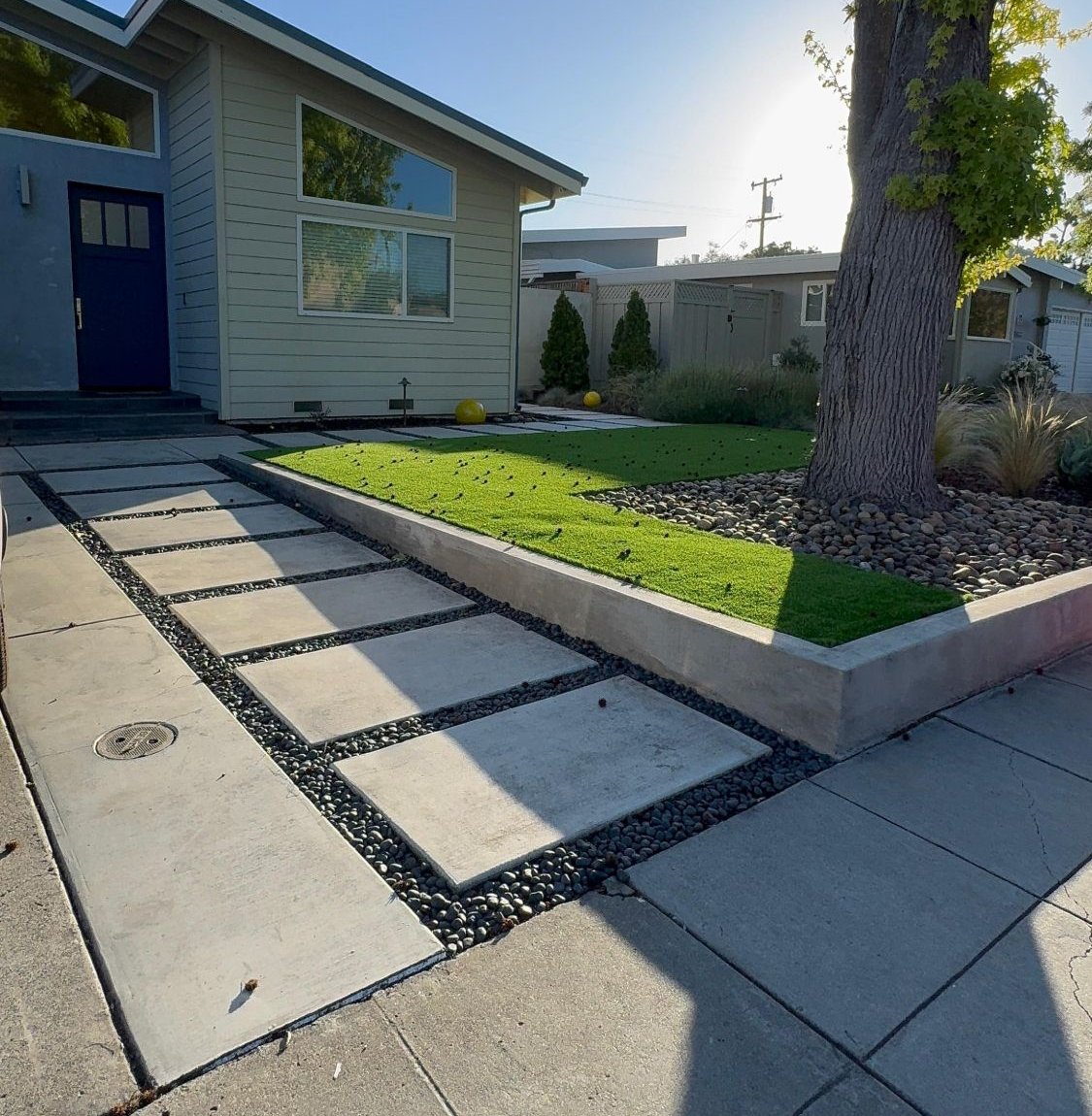
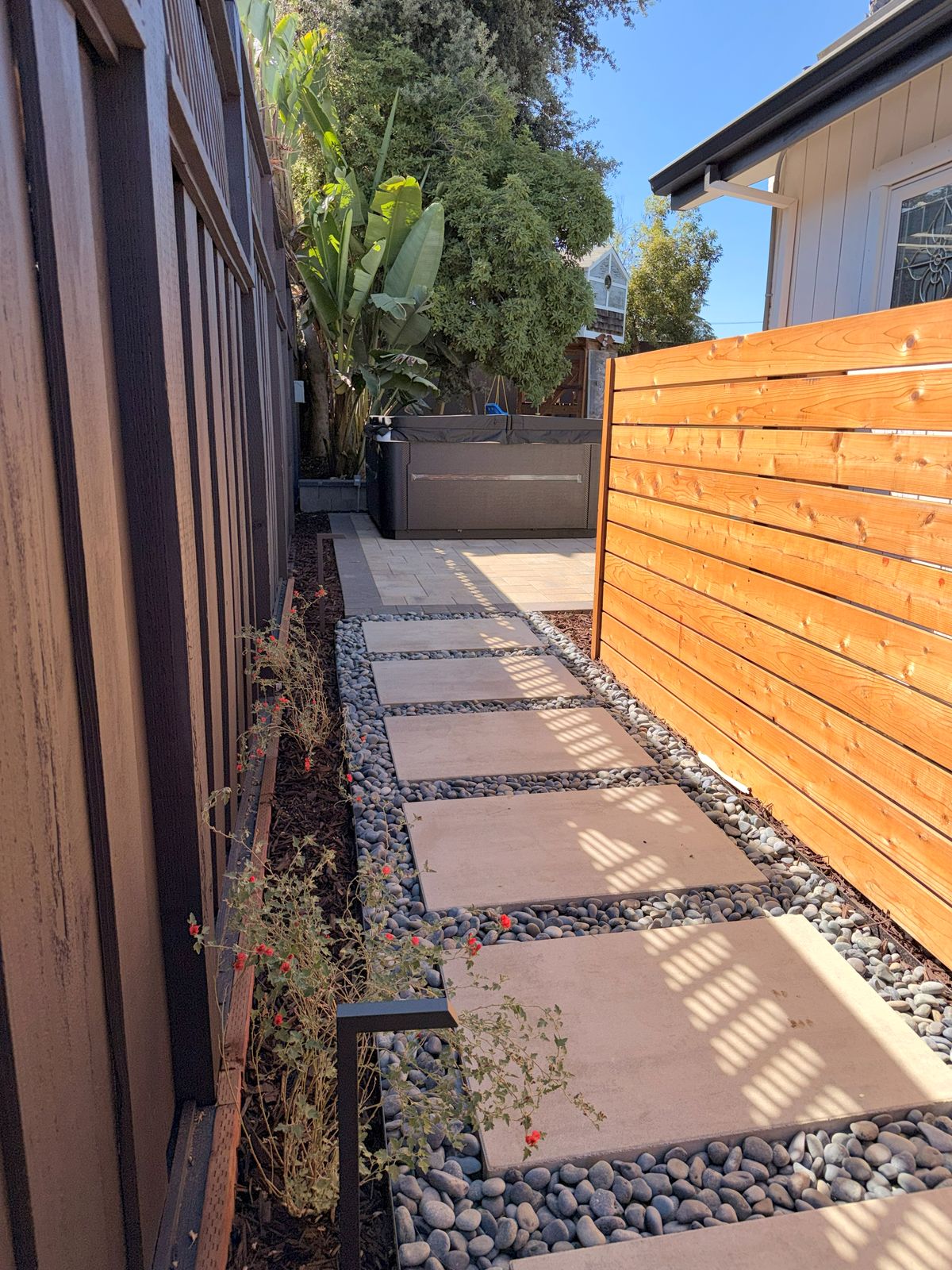
A fence looks best when it is planned with the hardscape and planting around it. A white picket fence can enclose a small front yard with turf and paver steps, as in our San Jose project, while a dark wood screen gives a patio privacy and makes plants and furniture stand out. If you are also planning pavers or a lawn, we can lay out the fence line first so the surfaces meet it cleanly.
Projects with this kind of work
Frequently asked questions
How tall can my fence be?
It depends on your city and on where the fence sits. Front-yard fences usually have a lower limit than side and back yards, and homeowners associations may add their own rules. Check with your city or HOA before you choose a height.
Does wood or metal last longer?
Both can last many years when they are installed well. Wood needs periodic stain or sealer to resist sun and moisture. Metal with a good finish needs very little care, which is why it is popular around pools.
How do you build a fence on a slope?
There are two common ways. A stepped fence has level sections that drop at each post, while a racked fence follows the slope of the ground. We recommend one after seeing your yard and hearing the look you want.
Do I need a permit for a fence?
Some fences do, mostly depending on height and location. Your city's building or planning department has the final word, and we will go over what is likely to apply at the on-site visit.